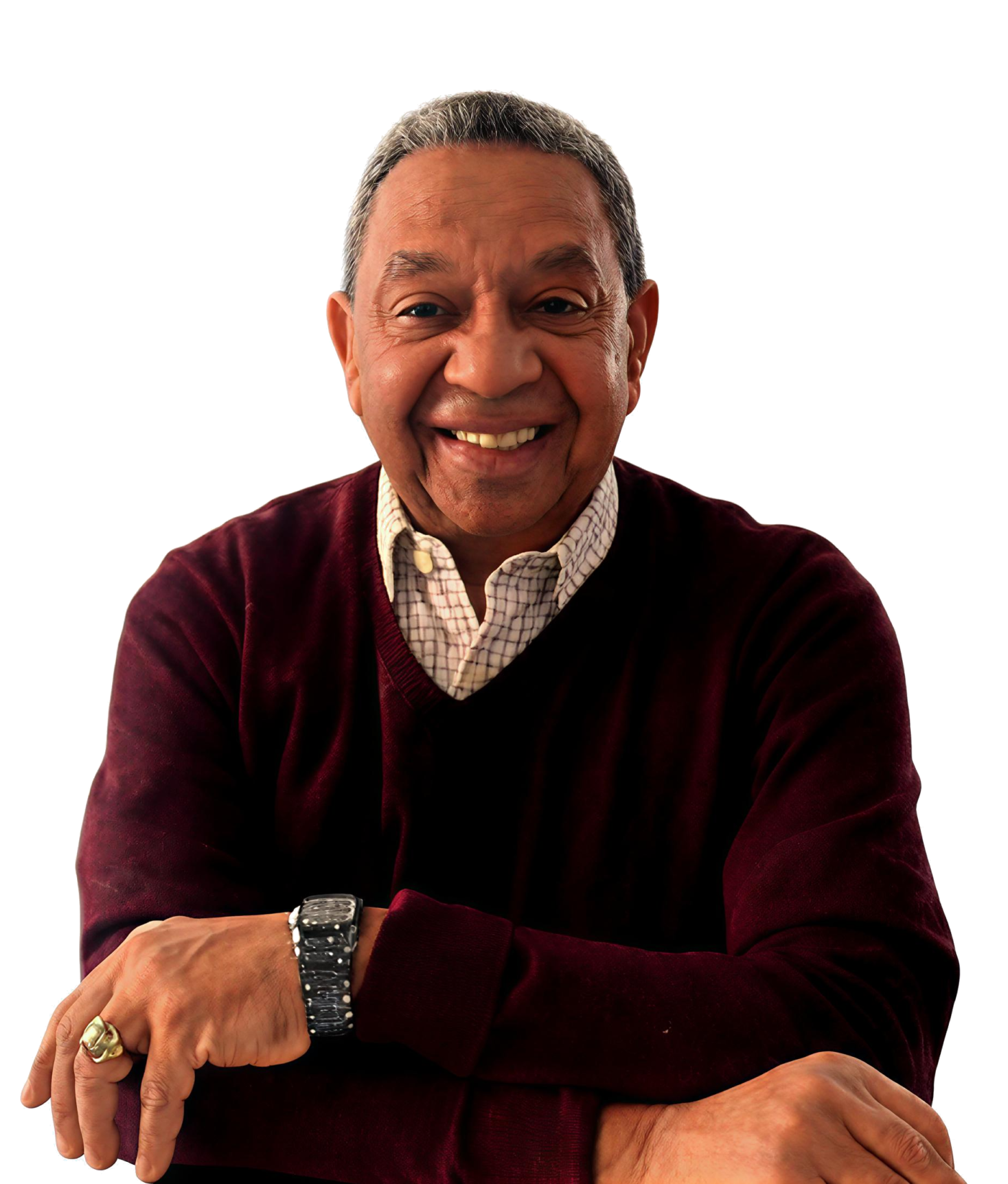
Frankolin Cuevas writes for those who understand that not all stories are meant to resolve. His work explores love that lingers, silence that speaks, and the echoes left behind when people do not stay. Blending poetic prose with lived experience, his writing invites readers into intimate spaces where memory, absence, and longing coexist. Each book is not an answer, but a companion, walking beside what hurts, what remains unfinished, and what continues to shape us quietly. This is literature for readers who value depth over certainty and reflection over resolution.

ABOUT THE ECHO THAT REMAINS
The Echo That Remains (and the Unsent Letters) is a poetic novel composed of fragments, letters, and voices that exist in the space between presence and absence. It tells the story of love that was never fully lived, yet never fully left behind. Through unsent letters and lyrical reflections, the book explores memory, longing, silence, and the emotional weight of what remains unfinished. Elías and Clara are not traditional characters. They are echoes, representations of those who loved without guarantees, who waited without demanding, who chose writing over confrontation. The narrative resists linear structure, unfolding instead like memory itself: circling, returning, pausing, and lingering.
Speech Topics
Inspiring Conversations that make an impact
Through poetic fragments and unsent letters, The Echo That Remains weaves memory and longing into an intimate narrative, honoring unfinished love and the quiet weight of what lingers.
When Silence Speaks Louder Than Words
Silence is often misunderstood as emptiness, when in truth it is full of meaning. In relationships, leadership, and writing, silence carries what words fail to hold—fear, restraint, longing, and respect. We pause not because we have nothing to say, but because what we feel is too precise to risk distortion. This reflection explores how silence shapes connection, how it protects truth, and how listening to what isn’t spoken can reveal more than dialogue could. Sometimes, silence is not absence, it is intention.
The Stories We Never Finish Telling
Not every story reaches a conclusion, and not every ending needs one. Some narratives stop mid-sentence, interrupted by circumstance, fear, or time. Yet they remain with us, unfinished but alive. This piece reflects on the emotional weight of incomplete stories—relationships without closure, conversations never had, letters never sent. These fragments linger because they mattered. They shape who we become, not through resolution, but memory. What we don’t finish teaches us more than what we conclude.
Why Some Echoes Refuse to Fade
Certain experiences refuse to disappear, no matter how much time passes. They return quietly—in places, in words, in moments of stillness. These echoes persist not because we hold onto them, but because they shaped us. This reflection explores why memory lingers, why emotional truth resists erasure, and why some connections remain present even in absence. Echoes do not demand attention; they wait. And when they surface, they remind us that not everything meaningful is meant to be forgotten.
About Frankolin Cuevas Ferreras
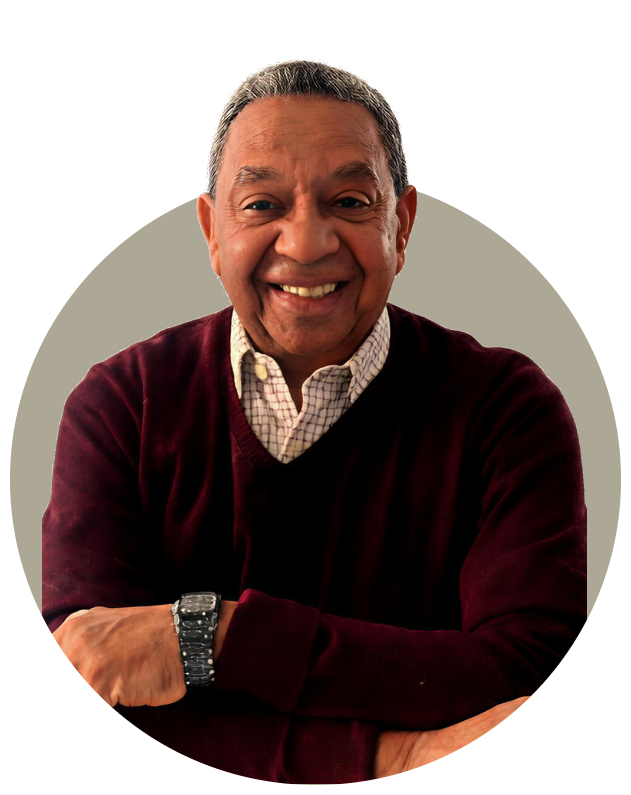
Frankolin Cuevas Ferreras was born and educated in the Dominican Republic and has lived for many years in New Jersey, United States. Trained as a Mechanical and Electrical Engineer with a Master’s degree in Business Administration, he spent nearly five decades leading technical, strategic, and human-centered processes in the industrial sector. His professional life demanded precision, structure, and outcomes but his writing emerges from the spaces where structure ends.
TESTIMONIALS
What Readers Are Saying
Have a look at these reviews by the early readers.

This book feels less like reading and more like listening to someone think out loud in the dark. Every page carries restraint, honesty, and emotional precision. It doesn’t rush you or try to impress; instead, it trusts you to feel. I found myself pausing often, not because the language was difficult, but because it was accurate. Rarely does a book allow silence to be part of the story, yet this one does so beautifully.
The Echo That Remains is unlike anything I’ve read recently. It doesn’t follow traditional storytelling rules, and that’s its greatest strength. The fragments feel intentional and necessary, and the unsent letters are devastating in their restraint. Cuevas understands that what’s left unsaid often carries more truth than declarations. This book stayed with me for weeks, not as a plot, but as a feeling I couldn’t easily name.
María Estévez
There is a quiet courage in this writing. It doesn’t perform pain; it respects it. Each section feels like a confession that was never meant to be overheard. As a reader, you’re invited, not forced, into something intimate. I saw my own unfinished relationships reflected in these pages. It reminded me that not all love stories are meant to resolve, and that doesn’t make them incomplete.
Lucía Fernández
This book reads like memory itself, fragmented, honest, and precise. Frankolin Cuevas doesn’t write to comfort the reader, but to accompany them. There’s maturity and restraint here that’s rare, especially in stories about love and loss. I appreciated that the book never tries to justify its emotions. It simply lets them exist, which made the experience human.
James Carter
What struck me most was how deeply familiar this book felt, even though the story wasn’t mine. The letters, the waiting, the echoes, it all resonated. Cuevas captures the kind of love that doesn’t fade away, not because it survives, but because it was never finished. This is a book for readers who are willing to sit with complexity and recognize beauty in emotional truth.